1.6 Ivy pot
1.6 Ivy pot
Ivy Pot
Project brief
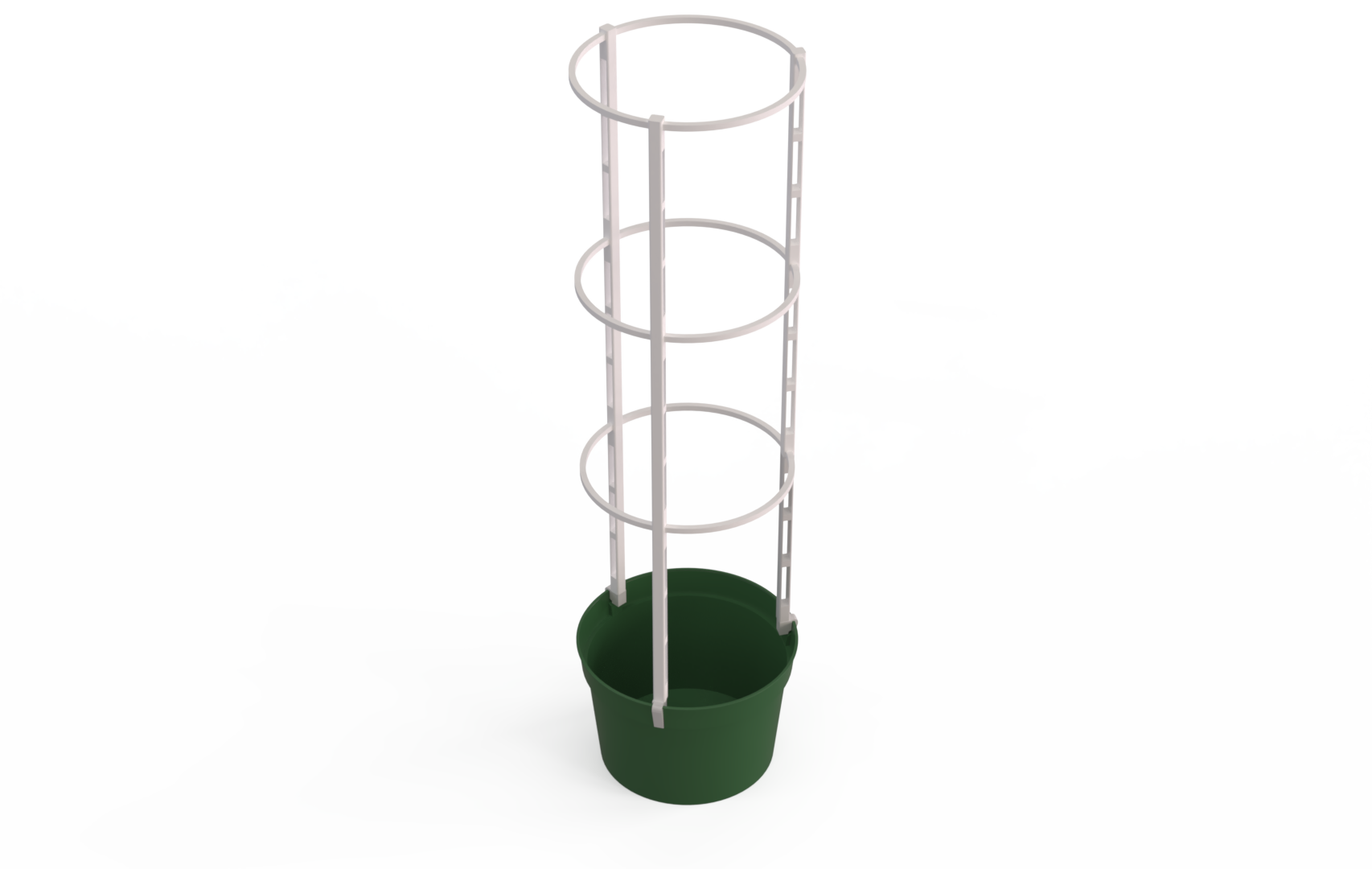
- Design a decorative planter with integrated climbing support for ivy and trailing plants.
- The user must be able to lift the pot by holding the structure alone.
- The structure must be suitable for both 3D printing and injection molding.
- The structure must be stackable to reach the desired height.
Design process
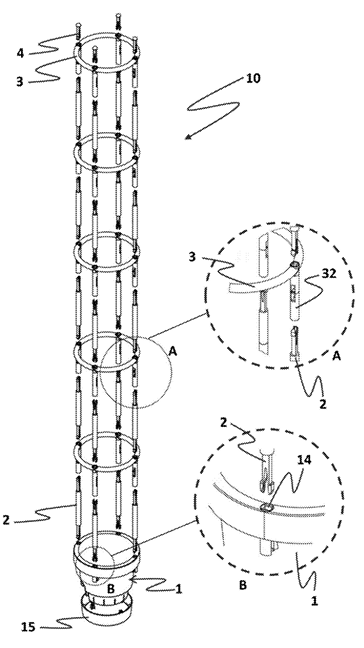
A friend’s father’s dream was to mass-produce an ivy pot. He worked with an engineering team and a patent bureau. However, they found existing patents and he couldn’t obtain his patent.
The upfront cost of injection molding was also too high to commit to production without first validating the market. He wanted to experiment with 3D printing instead.
His existing design was optimized for injection molding but was not appropriate for 3D printing. I sat down with him to define clear design criteria, then redesigned the structure to suit the manufacturing method.
Previous design
Problems & adaptations
Constraints from printing cost, time, and part strength drove two major design pivots.
Problem 1
Printing the original pot body required 310 grams of filament and took approximately 8 hours. This made the unit cost too high for commercial viability.
Solution 1
I found a $3 injection-molded pot at Walmart. It’s simple, cost-effective, and available in multiple brands.
Problem 2
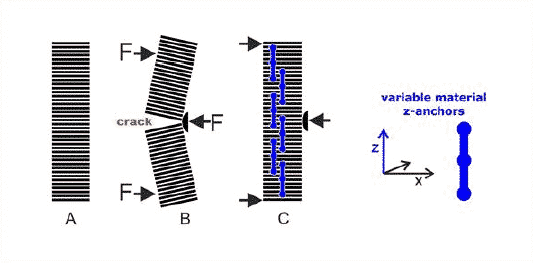
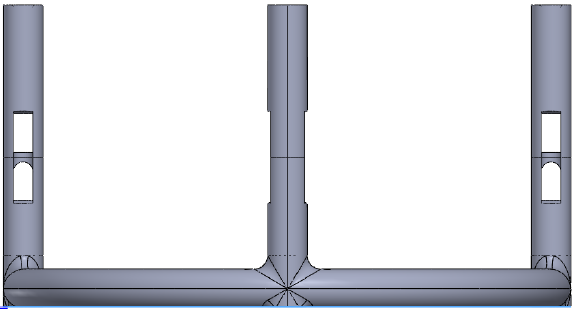
When the support poles were printed vertically, layer adhesion along the Z-axis was too weak.
Solution 2
Redesigned as a modular snap-together system. Each pole is a separate printed part that can be replaced independently.
1.6 Ivy pot
Final product & assembly
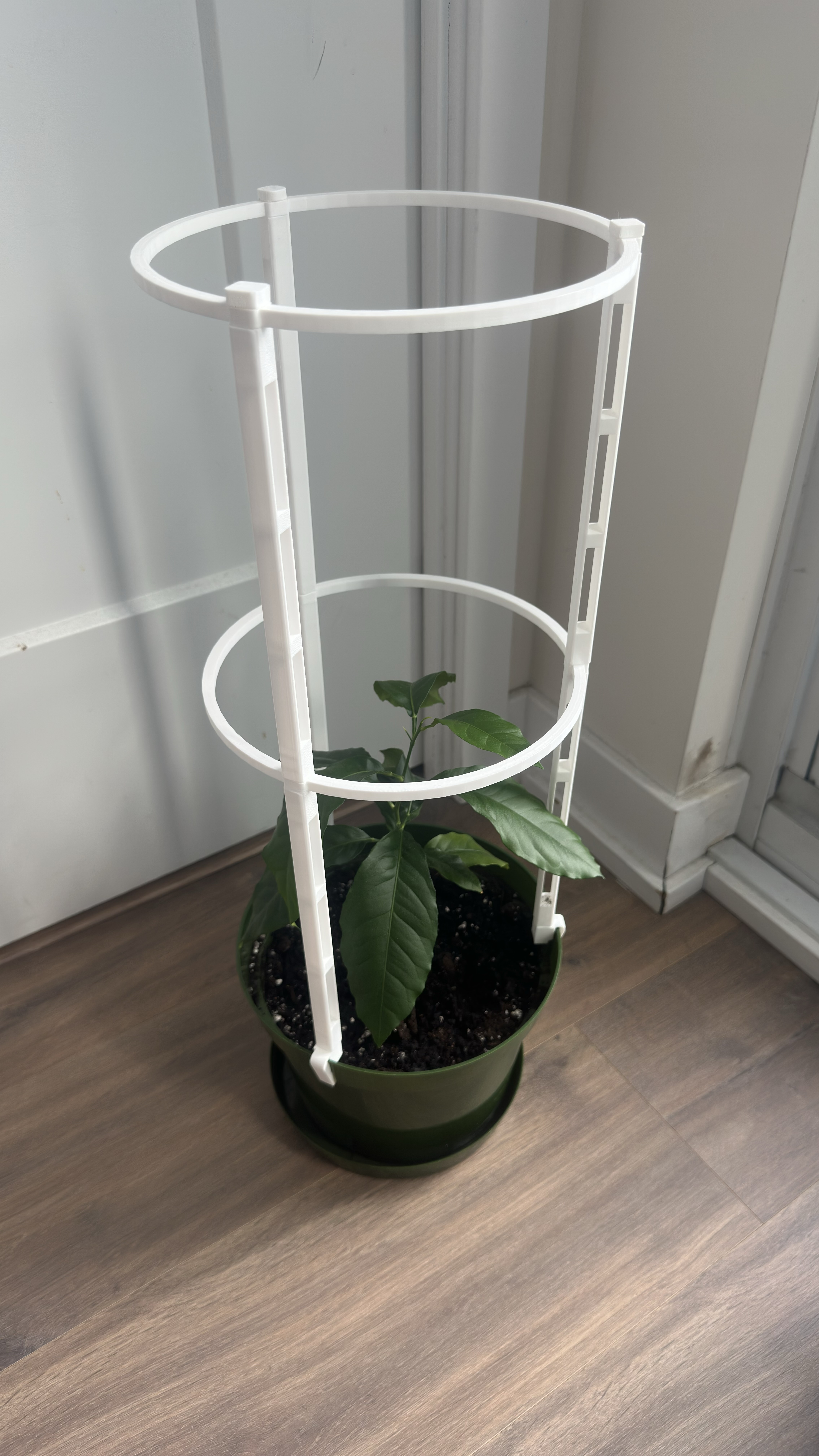
Assembly
-
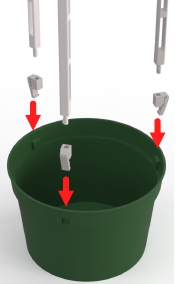
Step 1 Insert the clips into the plant pot.
-
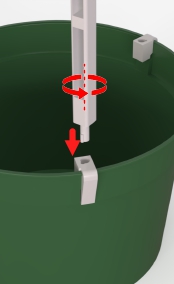
Step 2 Insert the rod into the clip. Twist to lock in place.
-
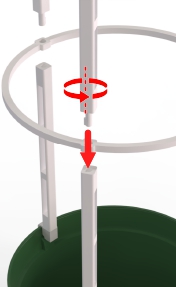
Step 3 Add one circle between rods. Lower and twist to lock.
-
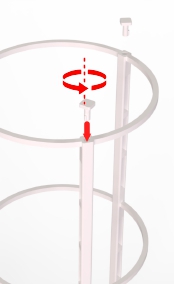
Step 4 Twist the end pieces to finish the assembly.